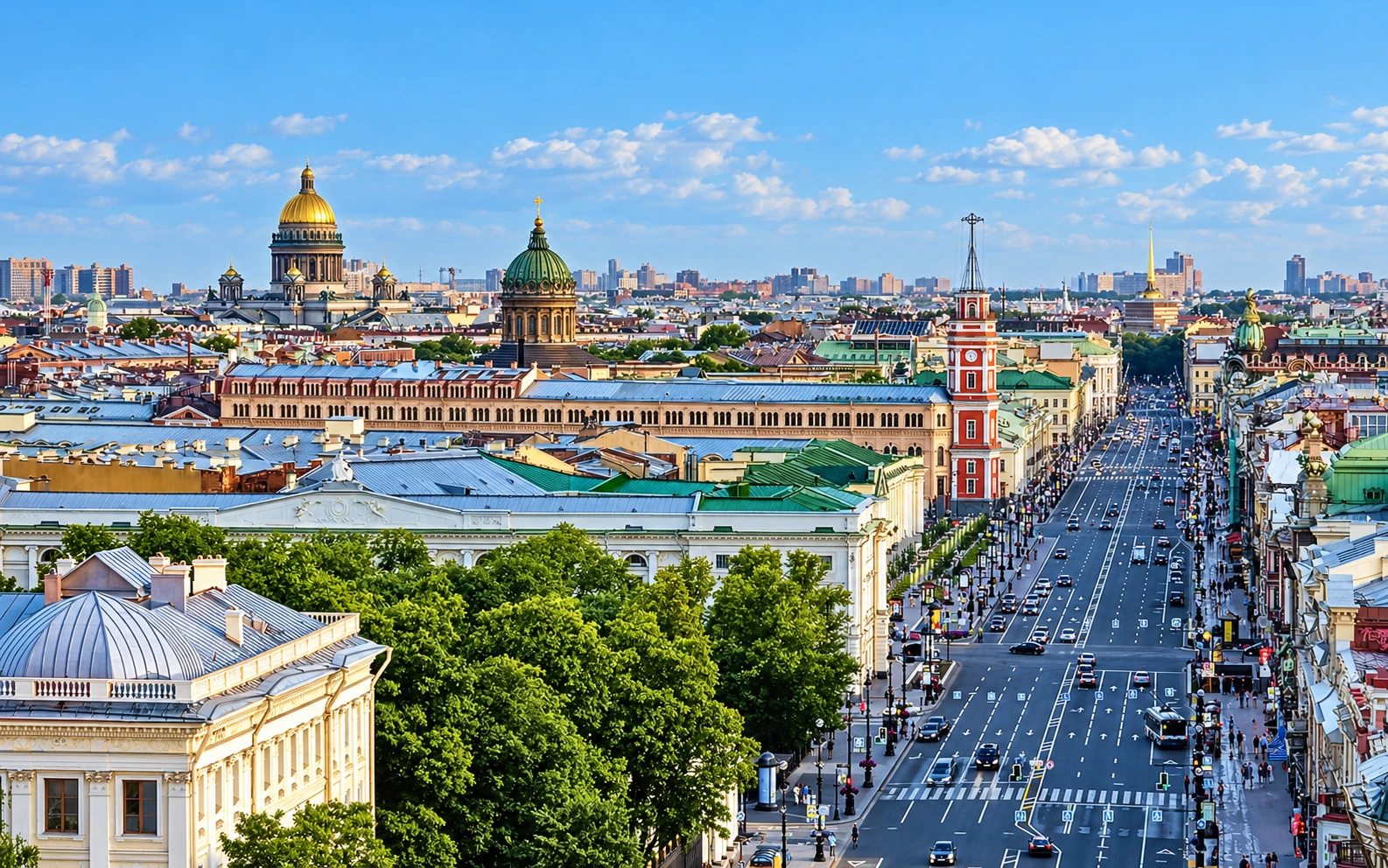
Saint Petersburg does not have the same rhythm as Moscow. The city is best read through avenues, embankments, palaces, canals and long walks. In four days, you can cover the essentials without turning the trip into a race: Nevsky Prospekt, Palace Square, the Hermitage, Peter and Paul Fortress, Peterhof, St. Isaac Cathedral and the drawbridges.
The itinerary below is built for a first visit. Day one stays in the central imperial city. Day two follows the Neva and the early story of Peter the Great. Day three goes to Peterhof by water. Day four keeps the city from two different viewpoints: St. Isaac's dome and the canals.
Simple advice: check opening hours the day before, especially for the Hermitage, Peterhof, the Summer Palace, boat rides and the drawbridges. In Saint Petersburg, weather and navigation season can change the experience completely.
Day 1: Nevsky Prospekt, Kazan Cathedral, Singer House, Palace Square and the Hermitage
Start with Nevsky Prospekt. It is the best known axis of Saint Petersburg, a long and lively avenue lined with imperial facades, cafes, bookshops, shopping arcades and metro stations. For a first morning, it immediately sets the tone: Saint Petersburg is a city of lines, low light and architectural detail.
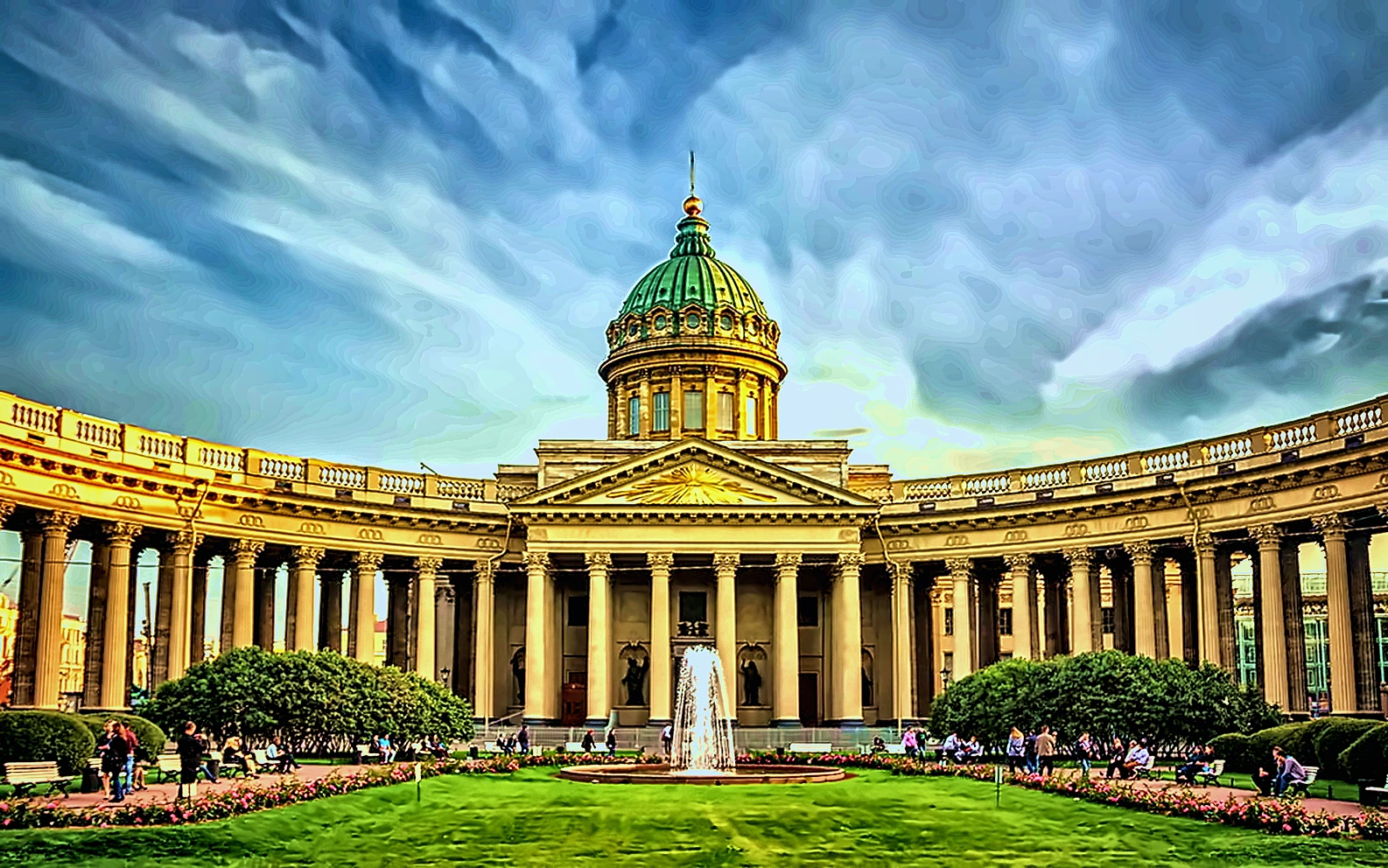
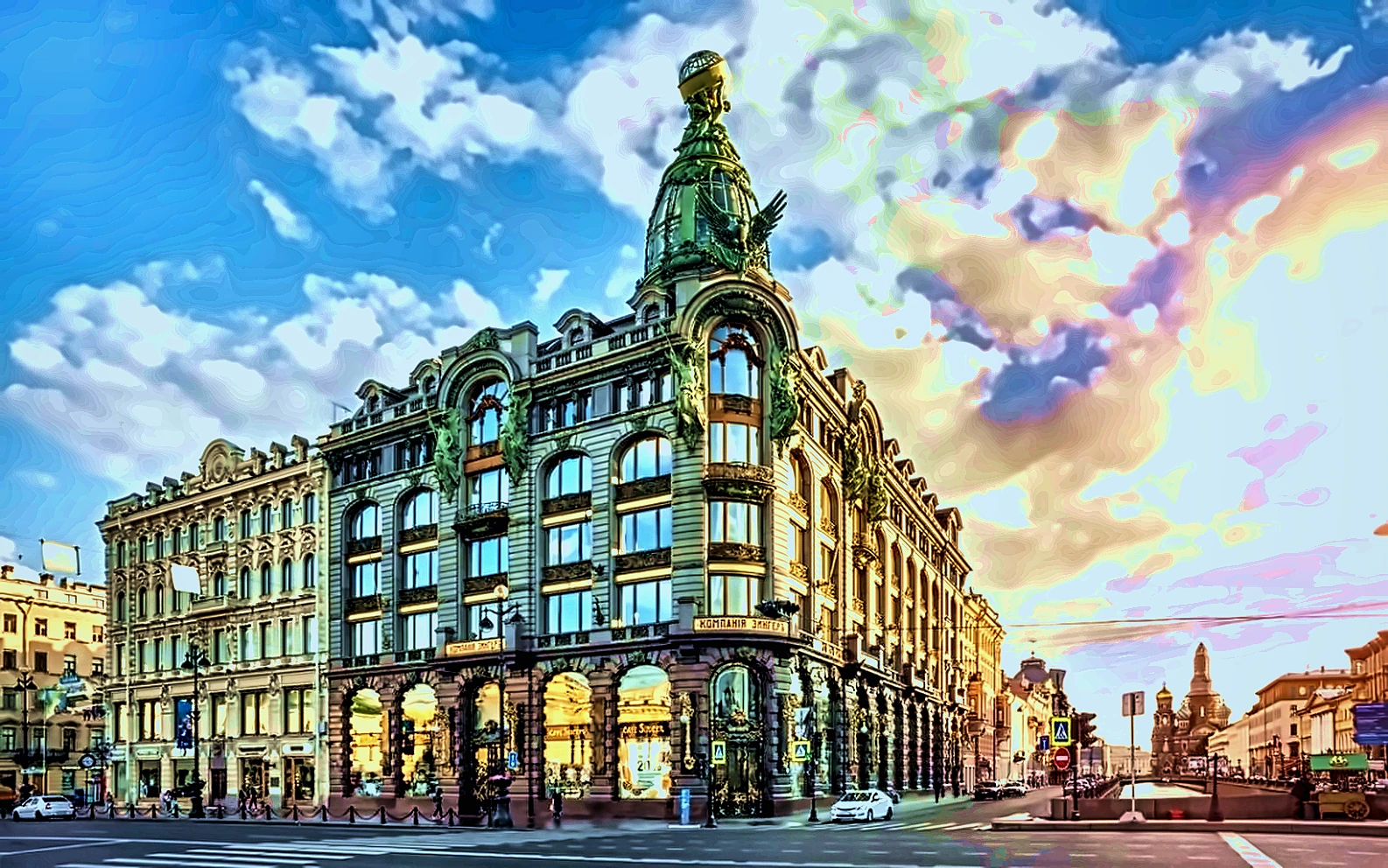
A good starting point is Kazan Cathedral. Its colonnade opens the space almost like a Roman square placed on Nevsky. Take time to look at the facade, then cross the avenue to see the Singer House, one of the most photogenic buildings on the street, with its glass dome and perfect position facing Kazan Cathedral.
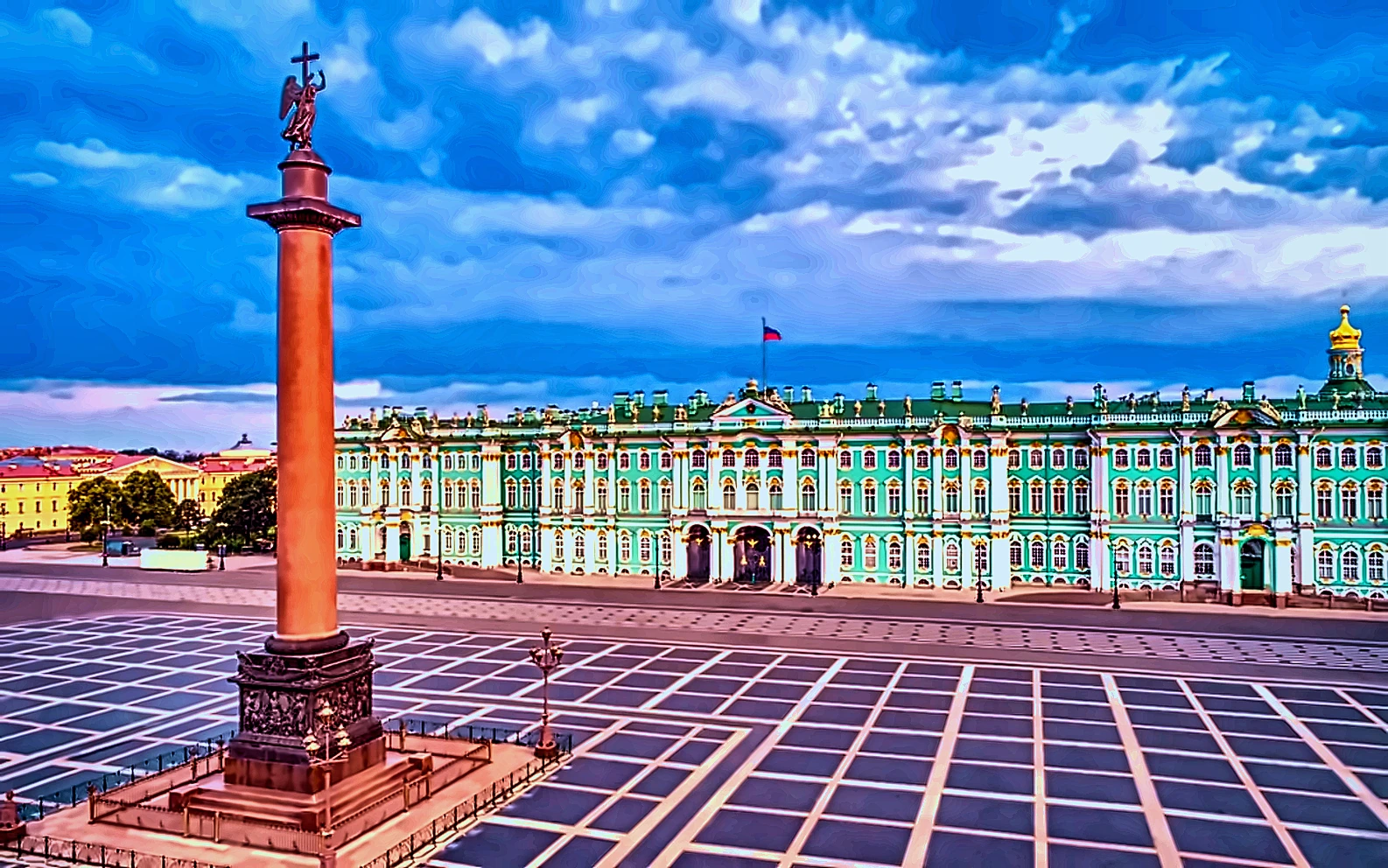
Continue to Palace Square. The change of scale is immediate: the General Staff arch, the Alexander Column, and the turquoise and white facade of the Winter Palace. Even before entering a museum, the square already explains the imperial ambition of the city.
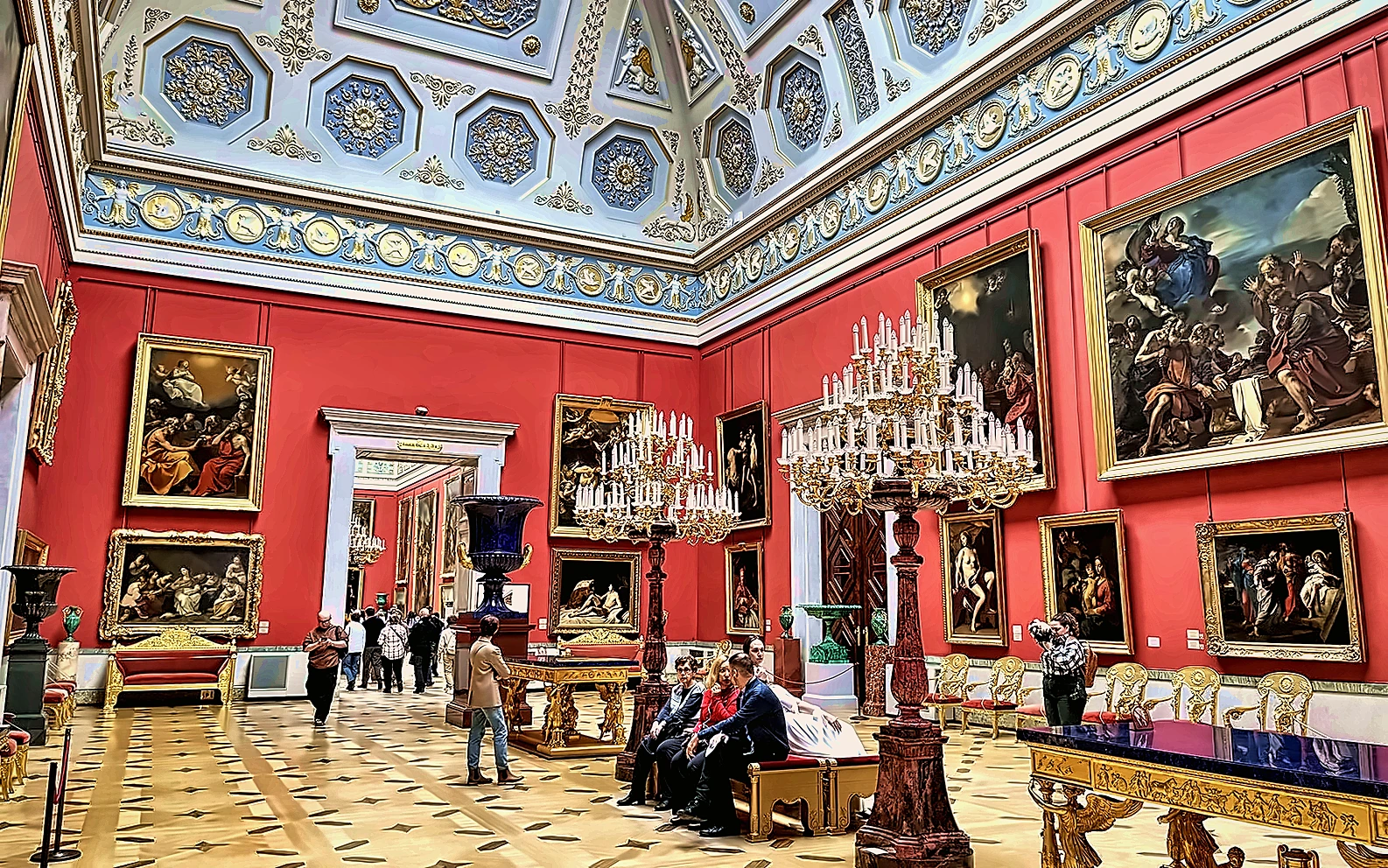
In the afternoon, enter the Hermitage. The museum is huge, and that is exactly the trap. For a first visit, focus on the Winter Palace, the main staircases, the ceremonial halls and a few major collections. Book ahead if possible, keep your passport with you, and leave real margin in the day: even a focused visit is tiring.
Day 2: Peter and Paul Fortress, Peter the Great's Cabin, Aurora, the Summer Garden and Savior on the Spilled Blood
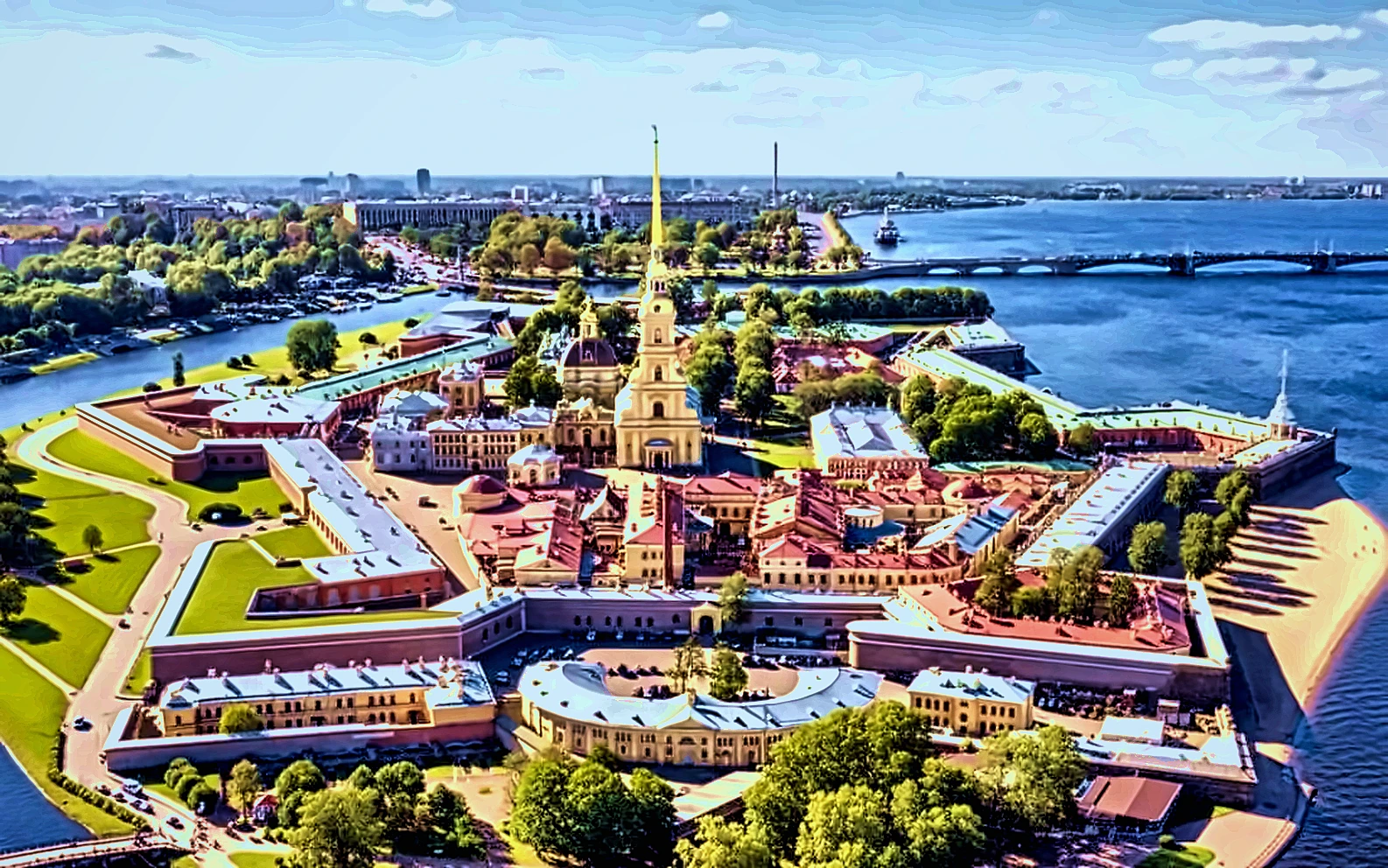
Start the second day across the Neva at Peter and Paul Fortress. It is one of the founding sites of Saint Petersburg. Come for the cathedral silhouette, the ramparts, the view over the embankments and the feeling of standing at the city's starting point.
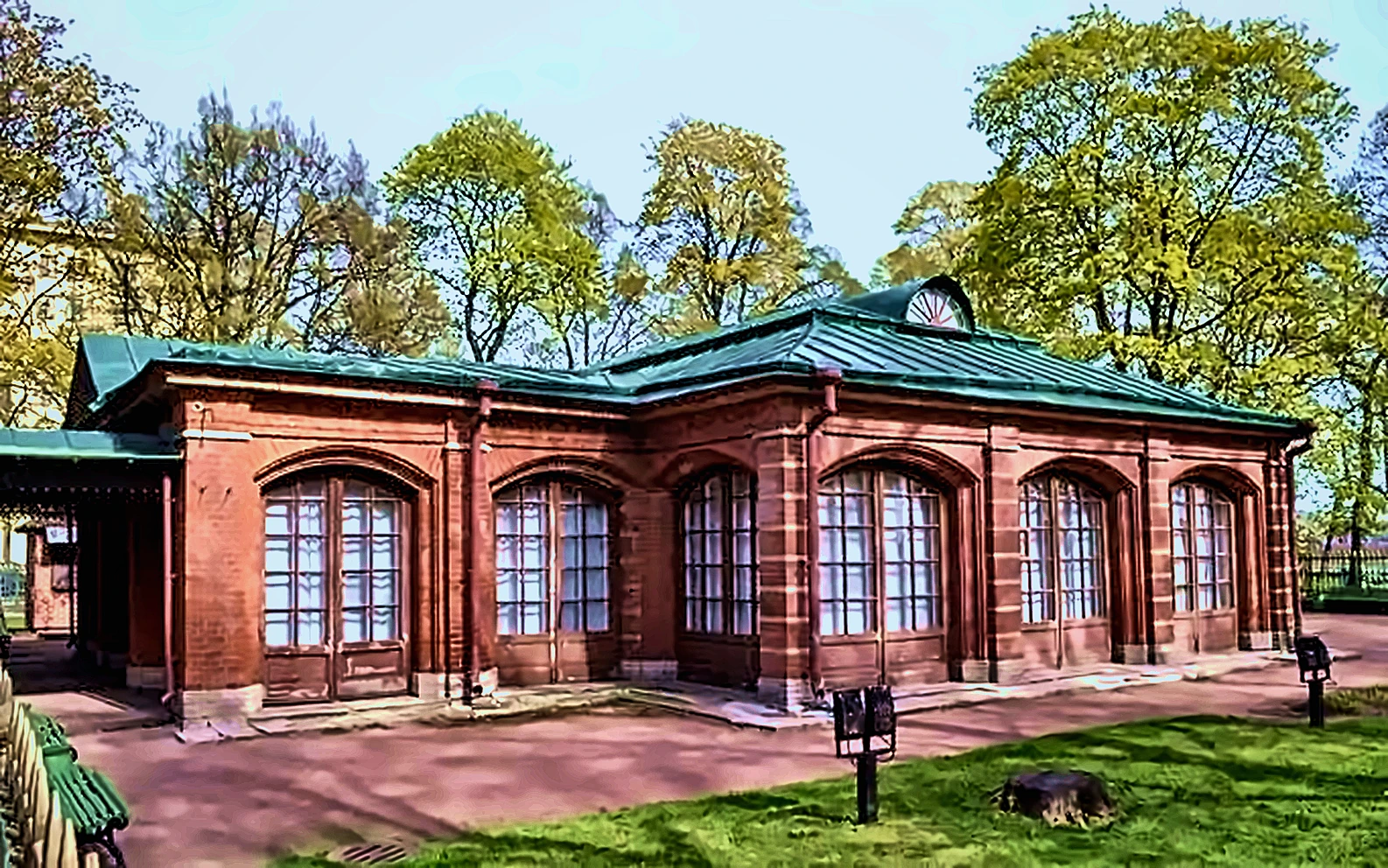
After the fortress, follow Petrovskaya Embankment towards Peter the Great's Cabin. It is a smaller and quieter stop, but a useful one because it brings Saint Petersburg back to its beginnings. The city feels monumental today, yet it also starts with modest traces preserved almost like civic relics.
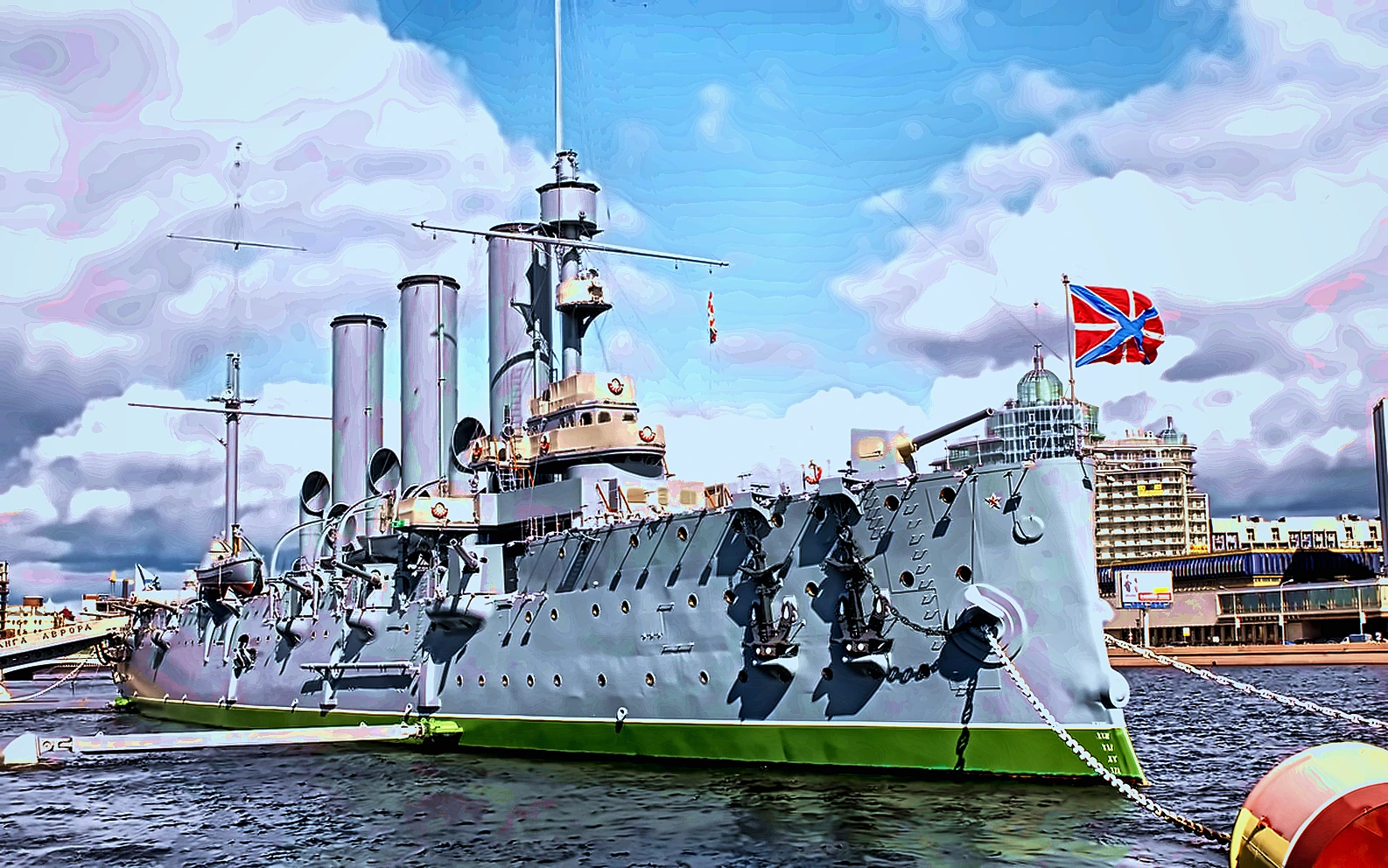
Continue to the cruiser Aurora. Even if you do not go on board, the ship is a major twentieth century landmark. It pairs well with the fortress and Peter's Cabin because this day moves through several layers of the city: imperial foundation, naval memory and urban walking.
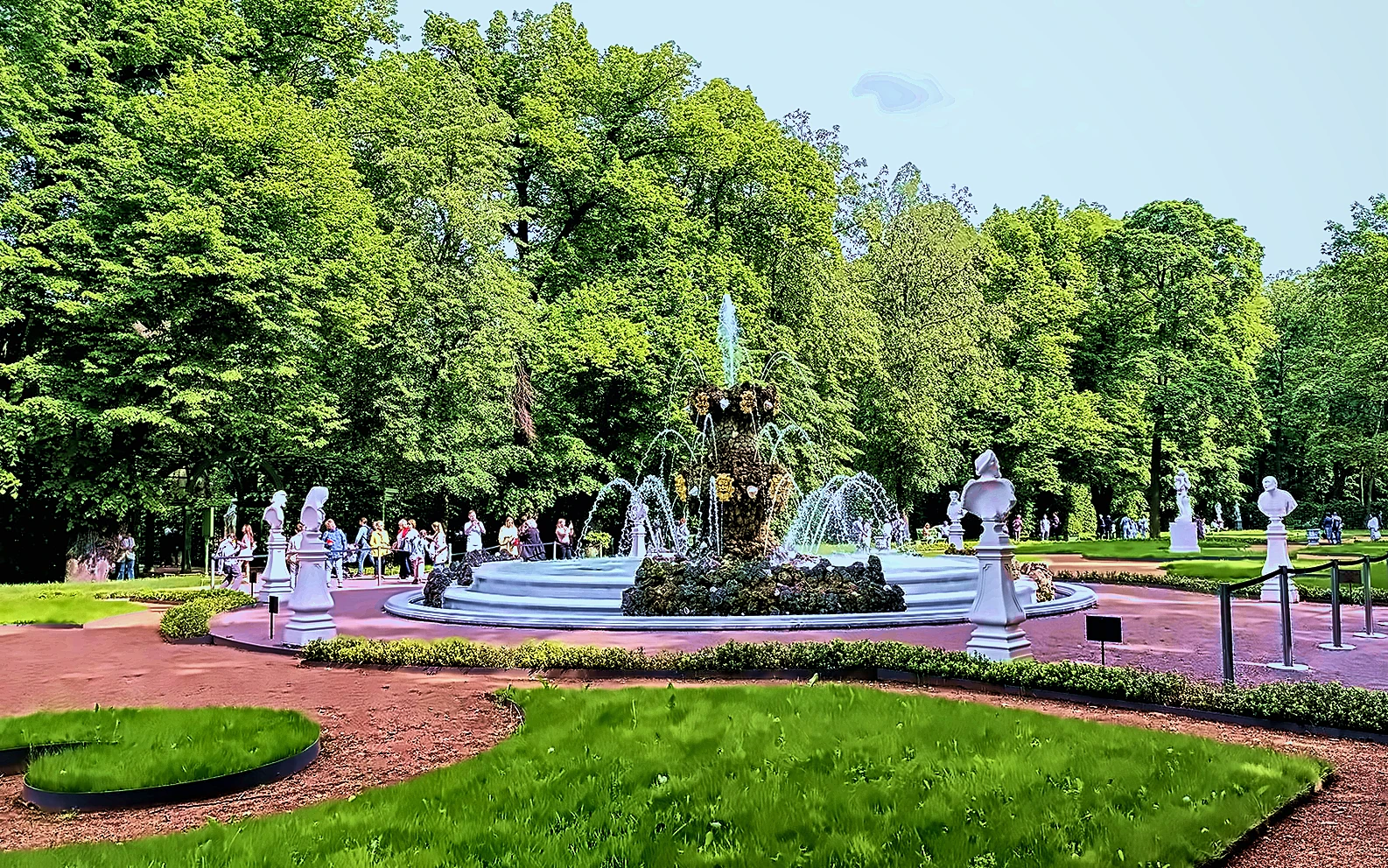
Then cross Trinity Bridge towards the Summer Garden and, if the season allows, the Summer Palace of Peter I. The garden is a real pause: regular alleys, sculptures, fountains, shade and calm. It is also a perfect transition before returning to the denser center.
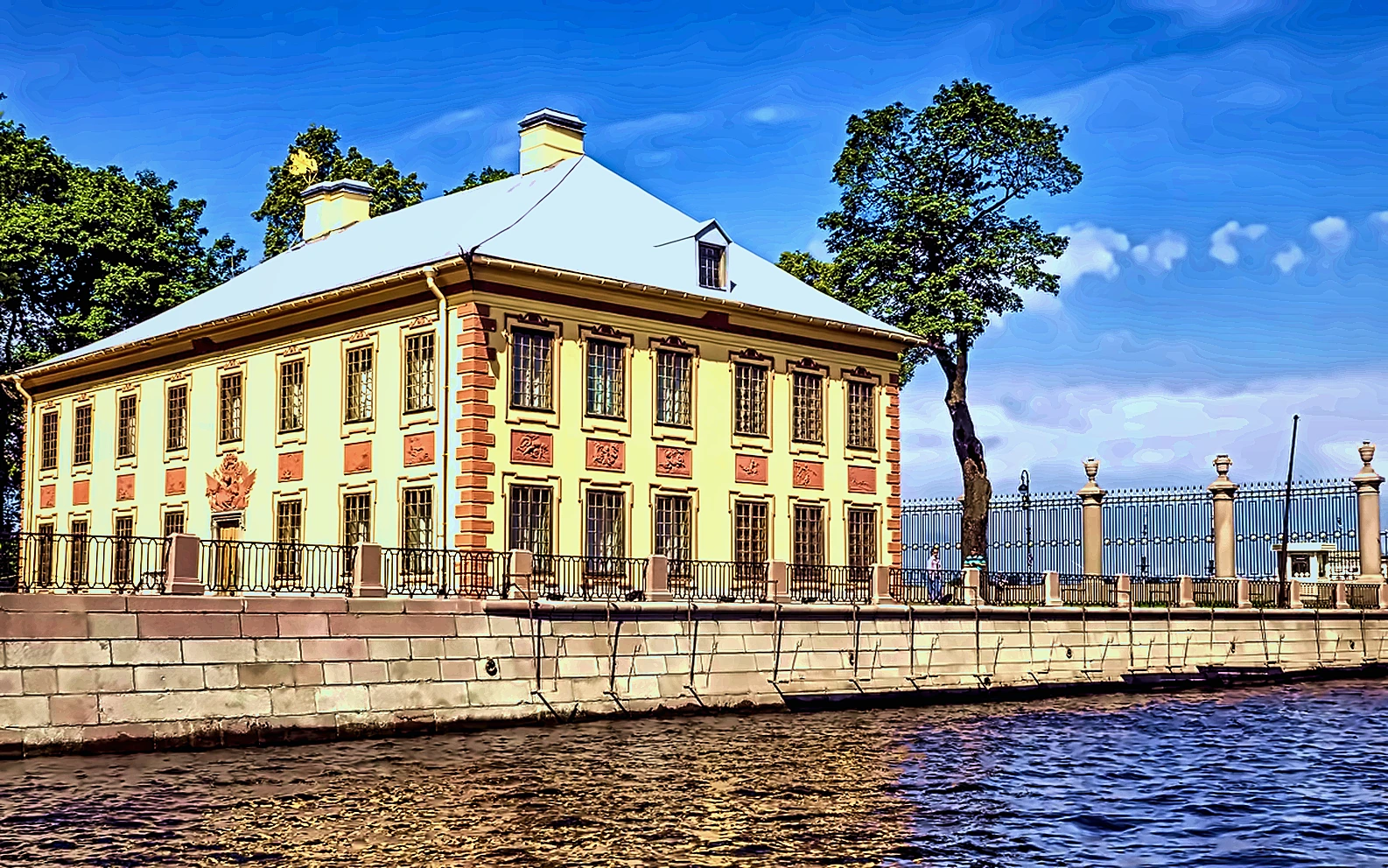
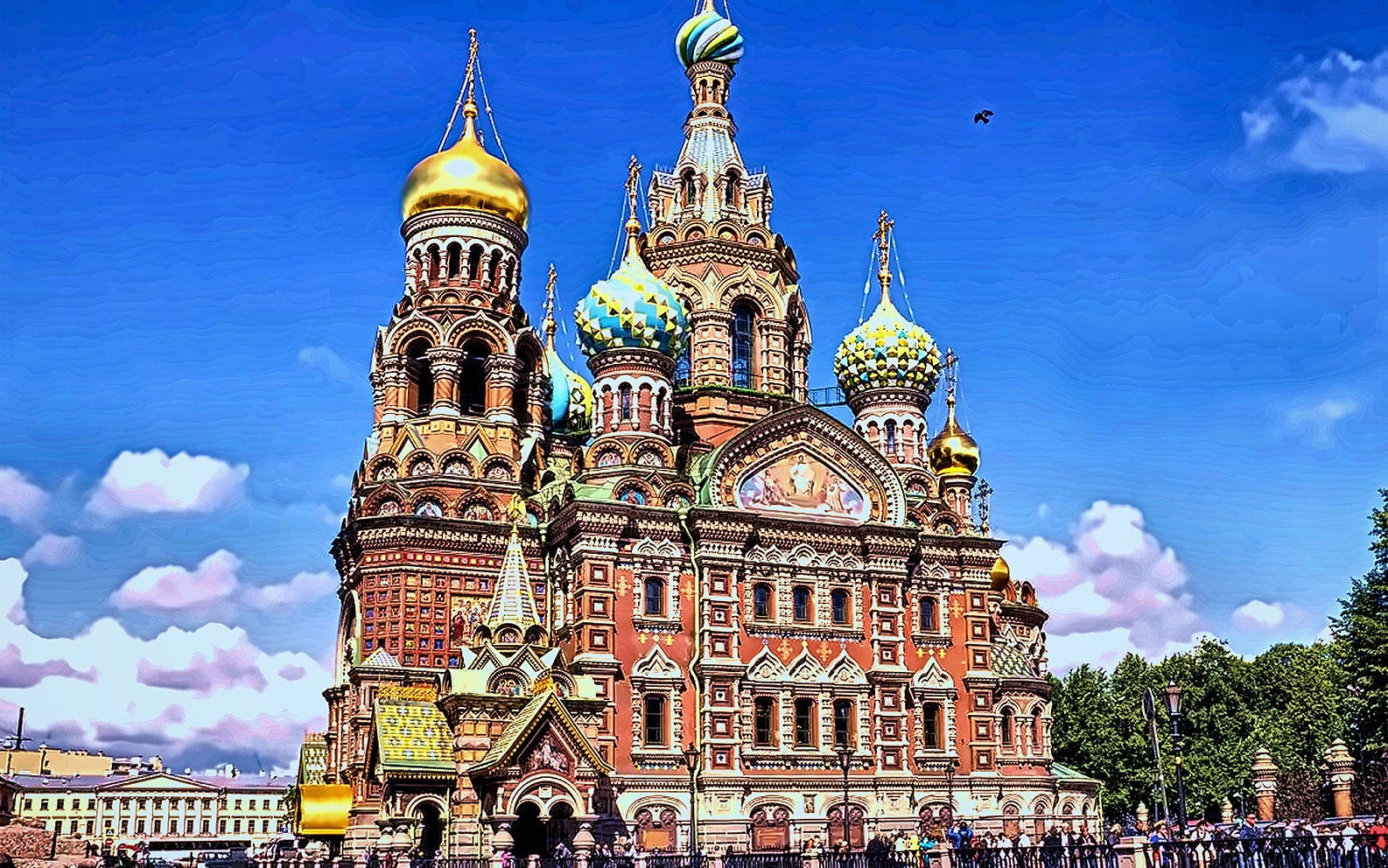
End the day at the Church of the Savior on the Spilled Blood. The colorful exterior is immediately striking, but the interior also deserves time for its mosaics. It is a strong visual finale after a rich day, especially in late afternoon light along the Griboyedov Canal.
Day 3: Peterhof by water, Fountain Alley and the Grand Palace
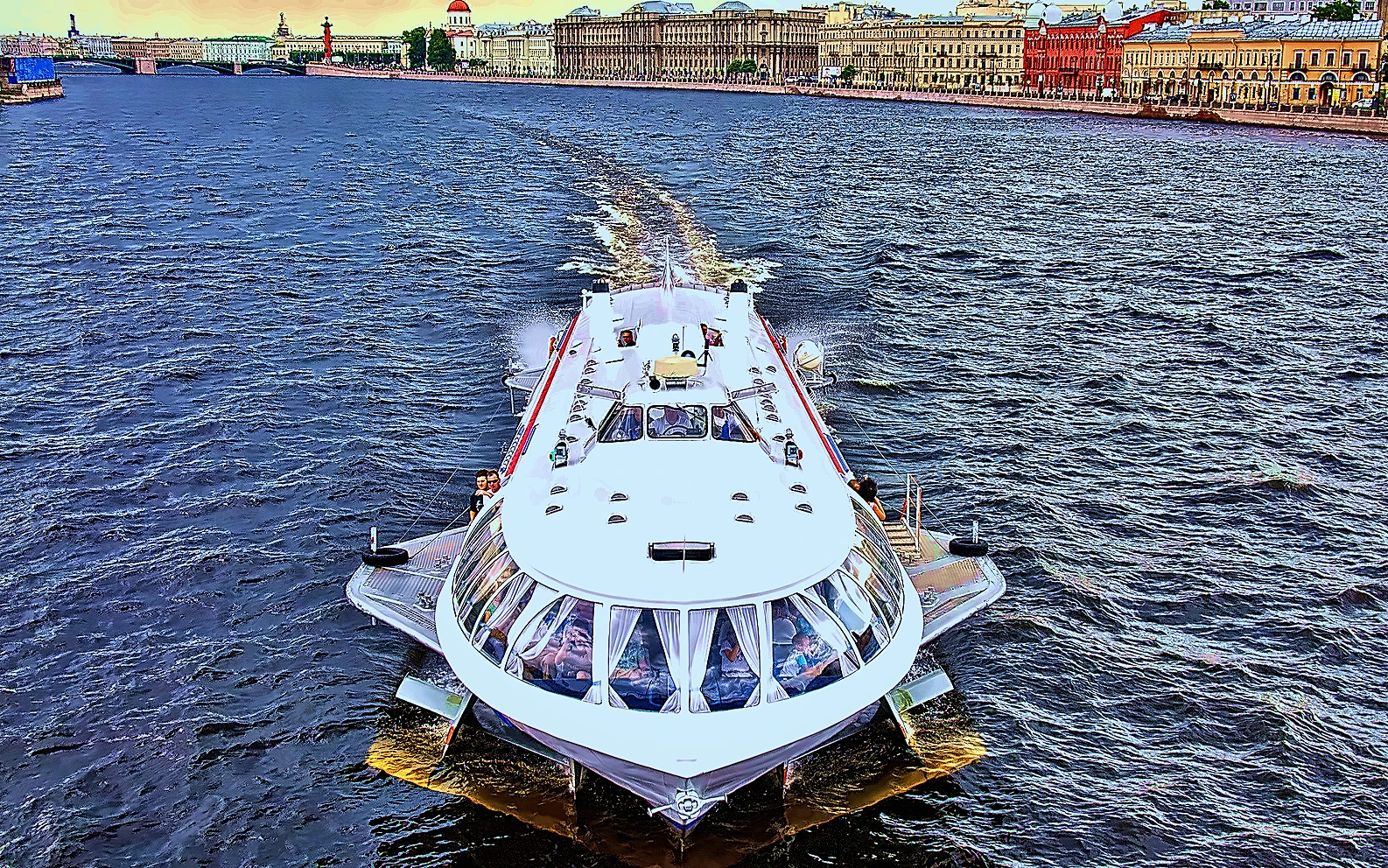
On day three, leave Saint Petersburg for Peterhof. If navigation is running, the most memorable way to go is by hydrofoil from the central embankments, especially around Dvortsovaya Embankment. It is more than a transfer: arriving from the Gulf of Finland gives the estate a different scale.
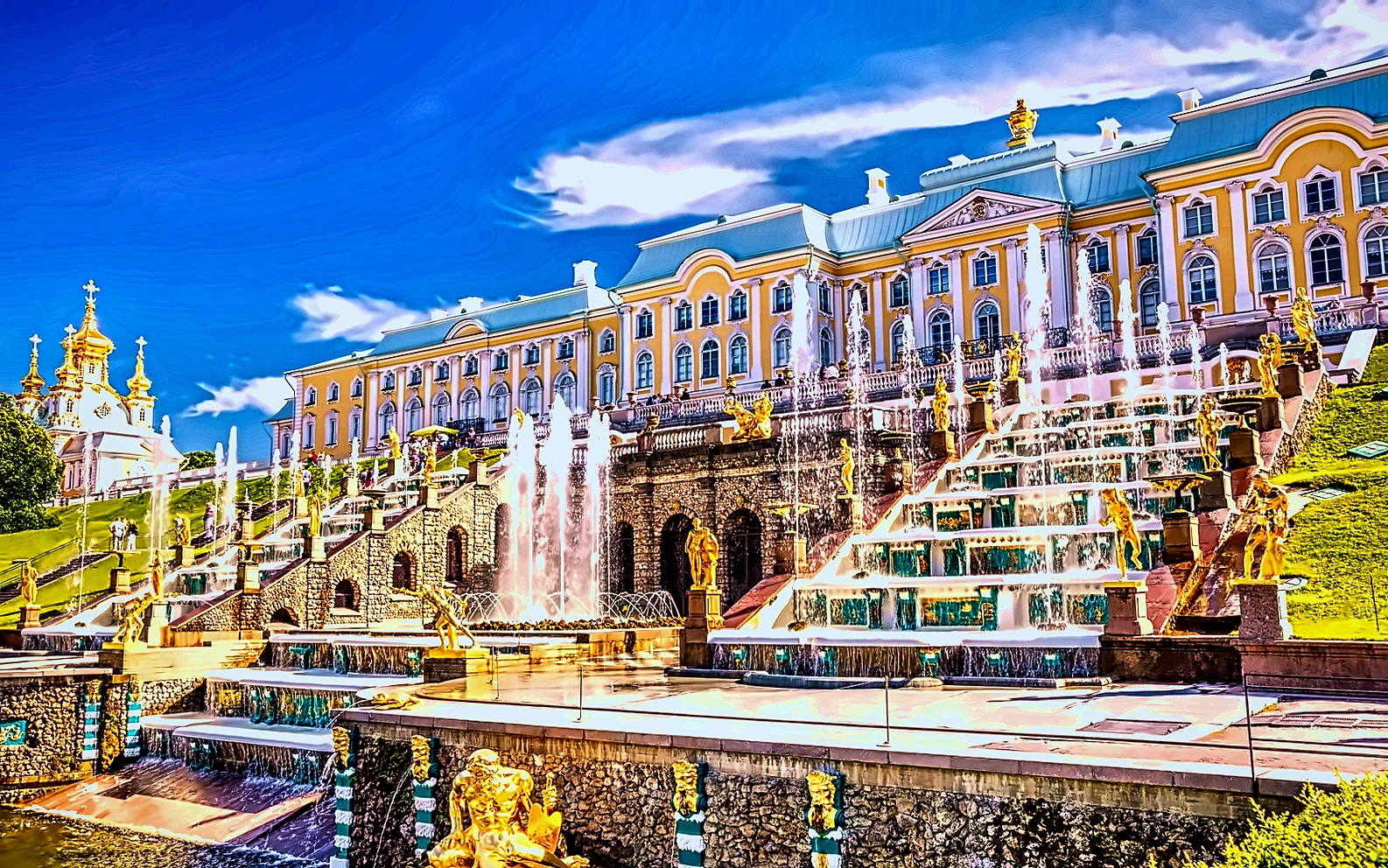
Once there, focus on the Grand Palace, the Lower Park, the Sea Canal and the Fountain Alley. The whole place is theatrical: perspectives, staircases, water jets, gilded statues, pale facades and an opening towards the sea. Allow time to walk, because Peterhof is as much about the details as the grand axes.
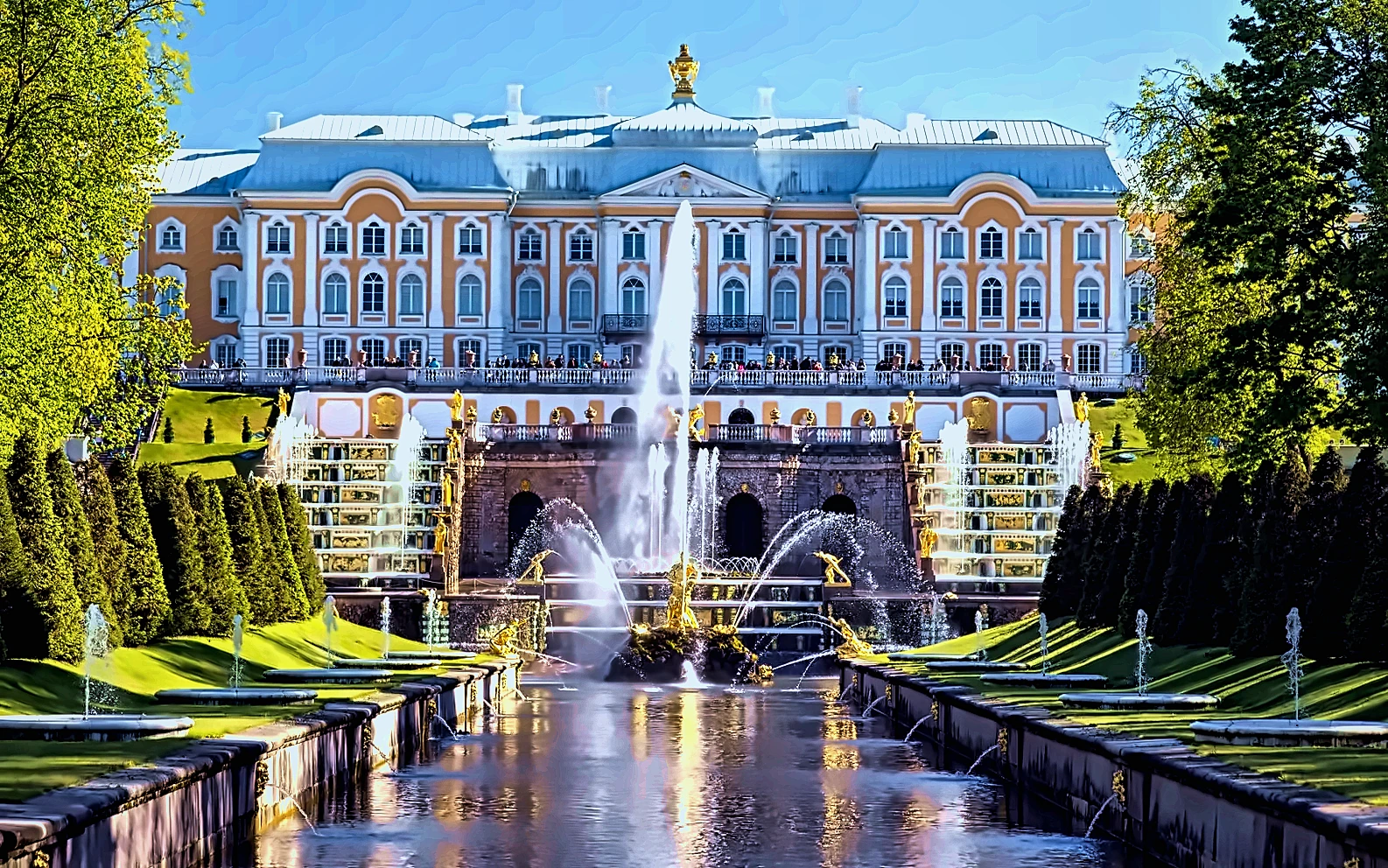
Return to Saint Petersburg by hydrofoil if the schedule works. It avoids ending the day with a long road transfer, and it keeps the continuity of the excursion: you leave Peterhof as you arrived, by water.
Day 4: St. Isaac Cathedral, boat ride, Lakhta Center, stadium and drawbridges
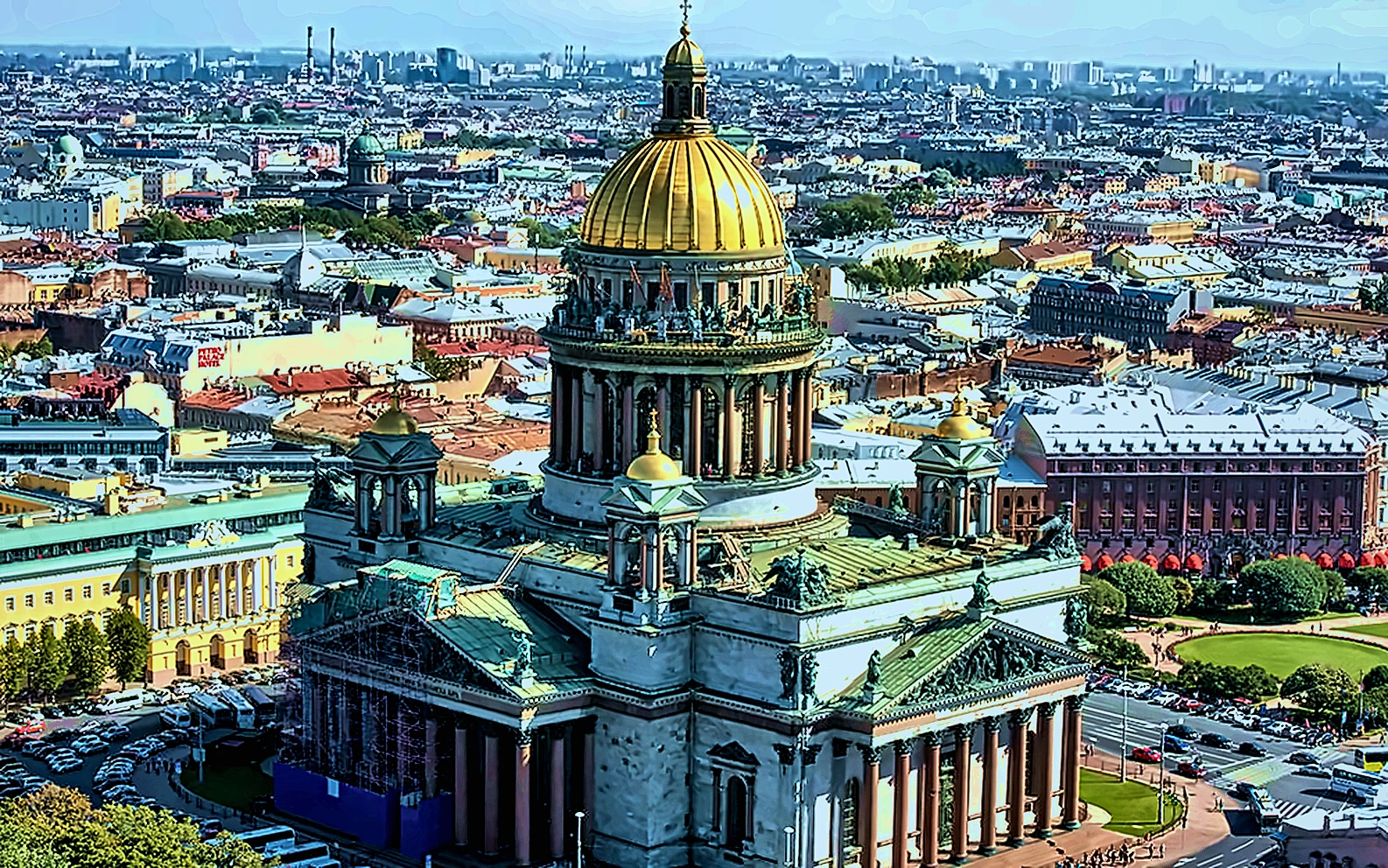
For the final day, start with St. Isaac Cathedral. It is one of the great monuments of the city, visible from many points in the center. The interior is impressive, but the real bonus, if conditions allow, is the colonnade: it gives one of the best views over the rooftops, the Neva and the great perspectives.
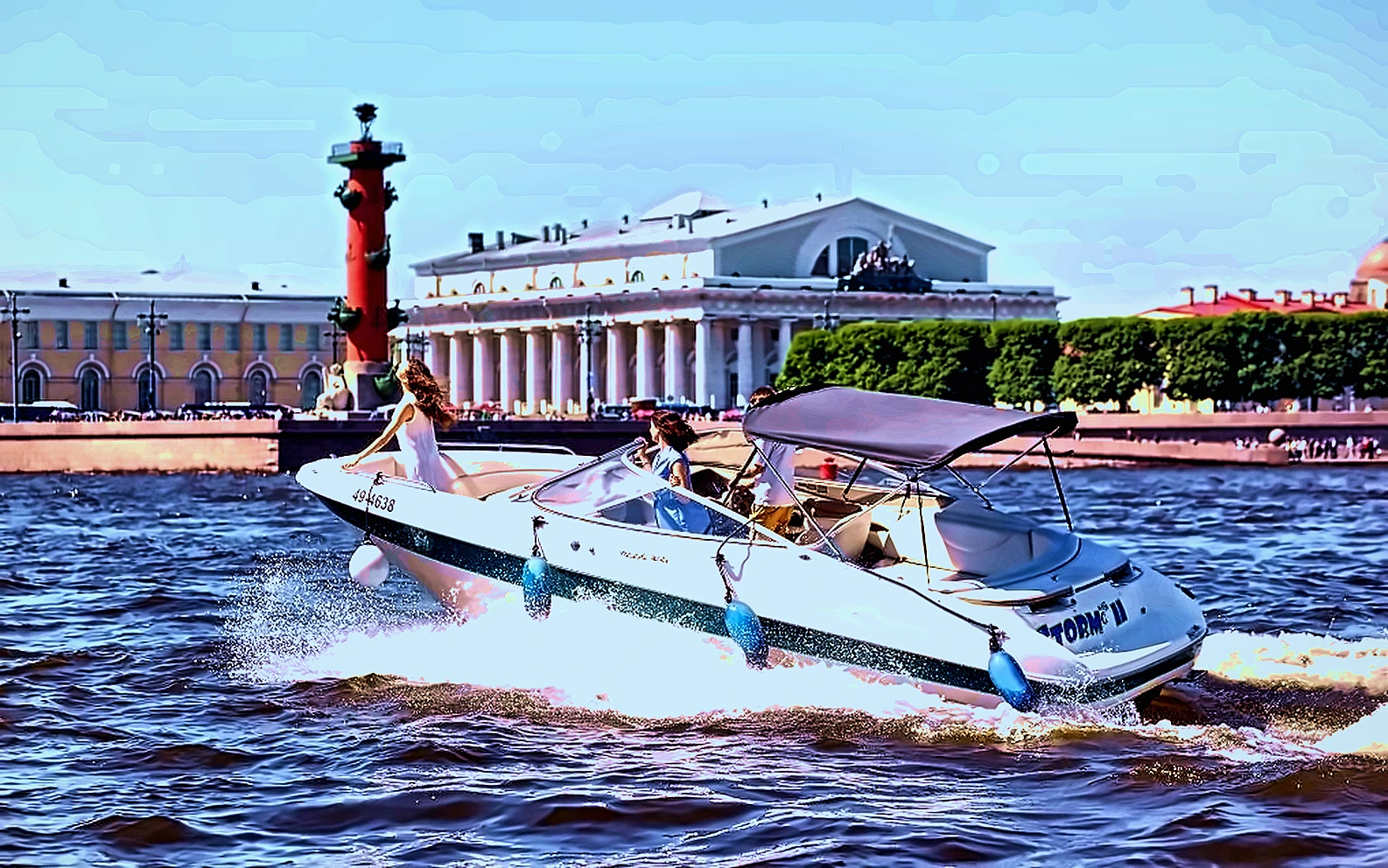
In the afternoon, take a boat ride. Saint Petersburg makes particular sense from the water: canals, aligned facades, bridges, islands, broad embankments and open views on the Neva. Depending on the route, you may also see more contemporary landmarks such as the Lakhta Center and the stadium.
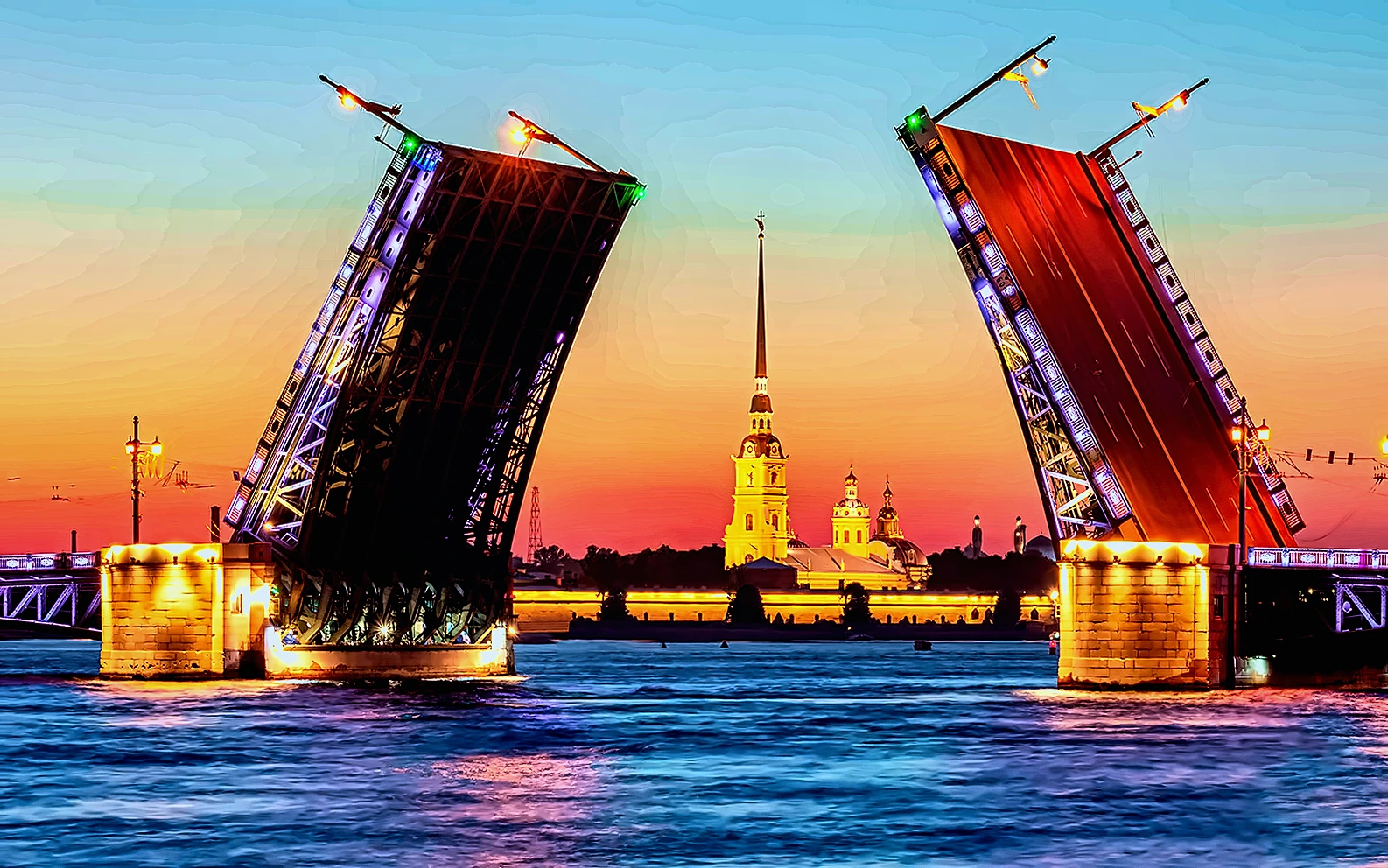
In the evening, keep some energy for the drawbridges. This is one of the strongest Saint Petersburg experiences, especially during the bright nights of the warmer season. Check the official schedule on the day itself, choose your viewpoint or boat in advance, and make sure you sleep on the right side of the Neva: once the bridges are open, returning can take much longer.
Itinerary summary
| Day | Main program | Suggested rhythm |
|---|---|---|
| Day 1 | Nevsky, Kazan Cathedral, Singer House, Palace Square, Winter Palace and the Hermitage | Very central, cultural, with a lot of indoor walking |
| Day 2 | Peter and Paul Fortress, Peter's Cabin, Aurora, Summer Garden, Savior on the Spilled Blood | City history, embankments, garden and monuments |
| Day 3 | Peterhof by hydrofoil, Grand Palace, Fountain Alley, return by water | Full day excursion, very season dependent |
| Day 4 | St. Isaac, boat ride on the canals and Neva, Lakhta Center, stadium, drawbridges | Panoramas, water views and a late evening |
Practical tips for these four days
- Book the Hermitage and Peterhof as early as possible. Time slots, entrances and rules can change by season and crowd levels.
- Keep weather flexibility. A rainy day can make Peterhof or the boat rides less pleasant. Swap days if needed.
- Prepare for late nights. The drawbridges are seen at night. Plan transport, fatigue and the return before booking an early visit the next morning.
- Do not overload the Hermitage. Two or three well chosen hours are better than an exhausting full day.
- Keep your documents with you. Passport, visa, migration card and registration can be useful during the stay.
- Treat distances carefully. The center looks compact, but embankments, bridges and museums quickly add walking time.
With these four days, you see the strongest images of Saint Petersburg: Nevsky, the Hermitage, the Neva, Peter and Paul Fortress, Peterhof, St. Isaac and the drawbridges. It is a dense but coherent itinerary for a first visit, before returning to explore museums, secondary palaces and quieter neighborhoods more slowly.
Editorial review
Sources and verification date
Rules and links verified on . Administrative procedures change: always check the official source before filing anything.
- Visit Petersburg: Nevsky Prospekt
- The State Hermitage Museum: visitor information
- Museum of the History of St Petersburg: Peter and Paul Fortress
- Central Naval Museum: cruiser Aurora
- The State Russian Museum: Summer Garden
- Peterhof Museum: fountains
- St. Isaac Cathedral Museum
- Mostotrest: Saint Petersburg drawbridge schedule